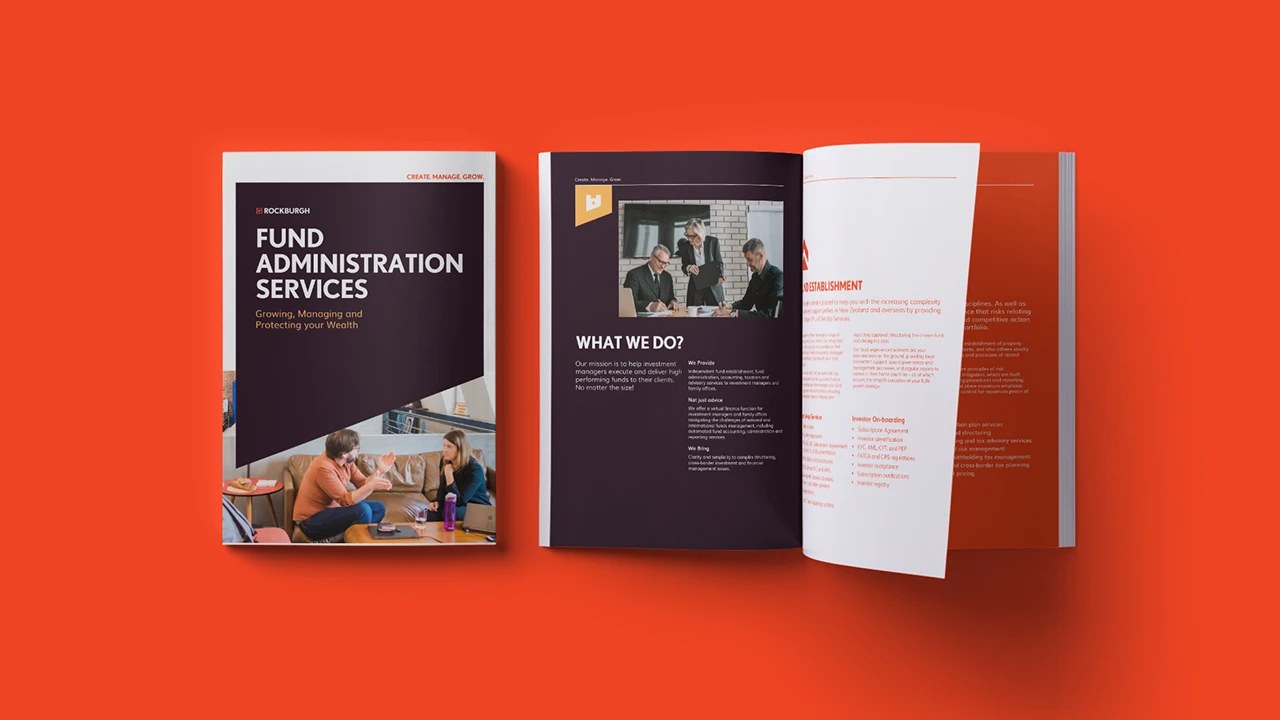
Upperton spent several years building. A 60,000 sq ft facility called Trent Gateway. A bigger executive team. Sterile manufacturing on top of the oral, nasal and pulmonary work it was already known for. Then on 8 October, at CPHI Milan, it changed the thing customers see first: its brand identity. CEO Nikki Whitfield put it plainly. "The new brand reflects who we have become as an organisation."
Read that again. Who we have become. The business moved first. The brand caught up later.
That gap is where industrial businesses quietly lose work.
The brand is a lagging indicator
Most industrial companies don't stand still. You add a line, win a certification, hire engineers, take on a contract that would have scared you five years ago. What rarely moves at the same speed is the website, the capability statement, the tender template or the trade show stand.
So the buyer meets the old version of you. They judge you on a story that ran out two expansions ago. And they never tell you, because they just shortlist someone else.
Upperton isn't the only company fixing this in 2026.
Pyrum: from recycler to technology company
In September, German firm Pyrum Innovations unveiled a new logo, corporate design and website. Pyrum uses its own thermolysis technology to recover raw materials from used tyres, producing pyrolysis oil and recovered carbon black for the chemical and tyre industries. The easy label was always "tyre recycler". The company says the new identity shows its evolution into a technology company, built around the line "Rethink Resources".
That's a reframe, not a facelift. A recycler takes your waste away. A technology company turns waste into raw material. Same plant, a very different conversation at the procurement table. CEO Pascal Klein said the goal is for Pyrum to be "one of the first brands that comes to mind when it comes to resource resilience."
Acieta: the brand that didn't keep up
In June, Indiana automation integrator Acieta, in business since 1983, launched a new identity and website. The company said its business had changed a lot over the past two years and its brand hadn't kept up. Marketing Director Olivia Patterson said the old brand "no longer reflected who we are or how we serve our customers." The new site was designed around how manufacturers actually research and evaluate automation, so buyers can see what Acieta does, what outcomes to expect and how it supports a project from scoping through to service.
Three companies. Three sectors. One pattern. Capability grew, and the brand became the bottleneck.
Catching the brand up to the business is one of the most common reasons owners come to us for industrial branding.
How to close the gap
You don't need a CPHI launch to do this. You need honesty and a plan.
1. Write two lists. On the left, what your business can really do today: capacity, tolerances, certifications, sectors, project sizes. On the right, what your website and sales documents say. The space between those lists is work you're losing.
2. Find your new sentence. Pyrum didn't add features to a list. It changed the category it competes in. Ask what you are now that you weren't five years ago. A machine shop that became a contract manufacturer. A haulier that became a supply chain partner. Say it in one line, then test it on your best customer.
3. Prove it with steel and concrete. Upperton's story works because it points to real things: a named facility, sterile capability, a bigger leadership team. Acieta points to delivered work, including two parallel production lines for one manufacturer, with the second running about three months after the first. Claims are cheap. Square metres, machines and finished jobs are not.
4. Build for how buyers check you. Acieta rebuilt its website around the buyer's evaluation, not its own org chart. Your site should answer the questions a tender panel asks. Can they do it? Have they done it? Will they be around to support it?
5. Roll it out like a good shift change. Pyrum is replacing old materials gradually through normal updates rather than binning everything on day one. Sensible. Start with what buyers see first, usually the website, proposals and site signage, then work outwards.
Strategy first, then the logo
Look at the order in all three stories. The business changed. Leadership decided what that change meant. Then the identity followed. A new logo on an unclear story is fresh paint on the wrong sign.
If your business has grown and your brand still introduces the smaller, older version, that isn't modesty. It's handing tenders to competitors who simply look the part.
Where to start
Not sure how wide your gap is? Take nim's free 2-minute Industrial Brand Health Check. It scores where your brand is costing you work and shows you what to fix first. Two minutes. One clear next step.
If you are considering brand or marketing services, view our products and pricing here.
Case studies