We build industrial brands.
nim is a strategy-first branding agency for industrial businesses. If your business turns over $2M–$20M and looks like it’s punching below its weight, keep reading.
Discuss your projectwhy industrial?
John Brooks
optimate.me
Hark & Zander
Marlin International
CRE8
Little Black Book
Kenzie’s Gift
Gymleader
System7
The elephant in the room is that you see branding and marketing as fluff. Reality is you’re sitting on gold.
You need to start digging.
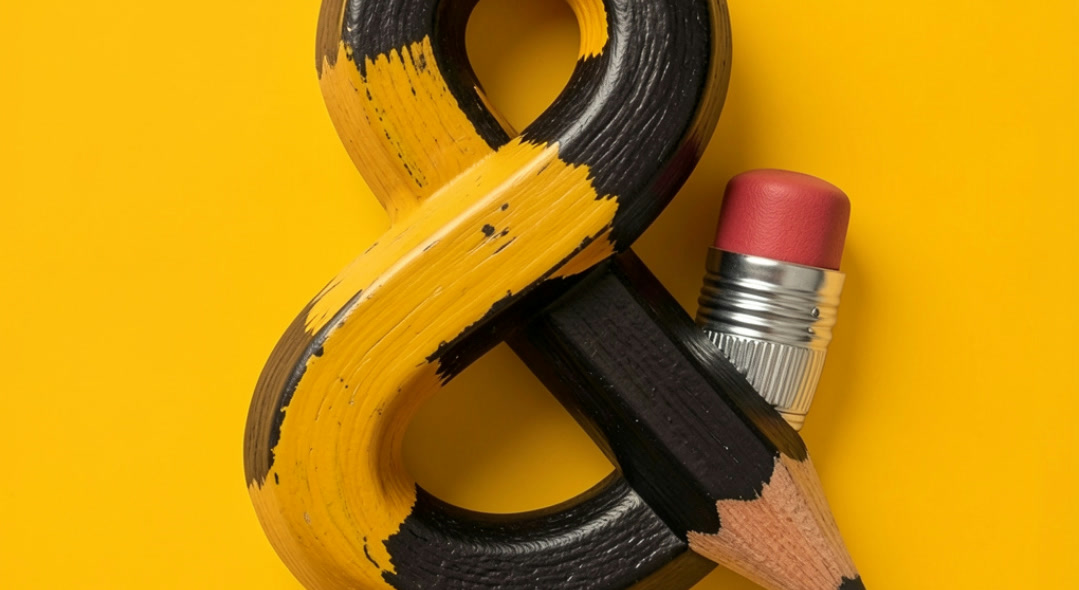
Fluff is worth more than gold. Here’s the truth. Your ‘fluff’ is the substance that becomes gold in the eyes of your customers.
The things you call fluff are the things your customers use to choose you. Your safety record. The size of the jobs you’ve delivered. The people who’ve been with you for twenty years. The standards you hold that your competitors don’t.
Right now most of that sits in a filing cabinet, a site manager’s head or a photo on someone’s phone. Buyers can’t see it, so they compare you on price. Branding is the work of digging it out and putting it where they look: your website, your tenders, your vehicles, your people.
Same business. Same capability. Finally seen for what it’s worth.
Yeh, yeh. We know.
Myth 01
No one cares what we look like.
Your customers decide whether to engage with you before they ever pick up the phone. They look you up first. If what they find doesn’t match what you’re telling them in the room, you’ve lost credibility before the conversation even starts.
Myth 02
No website. We have a sales team.
Your sales team is fighting with one hand behind their back. A strong brand arms them with credibility before they walk in the door. Prospects research before they meet. A weak brand makes your rep’s job harder before they’ve said a word.
Myth 03
Where’s the ROI in brand?
Brand is positioning. Positioning determines price. Price determines margin. Margin determines whether you survive or thrive. Businesses with strong brand identities win more tenders, charge more, and attract better staff. That’s not fluff. That’s business strategy with a spreadsheet behind it.
Industries we work in.
Rethink.
Be visible to be the credible choice.
When a buyer goes looking for a supplier, the businesses that show up looking capable make the shortlist. The ones that don’t, don’t get the call. Visibility isn’t vanity. It’s being found at the exact moment someone is deciding.
Build trust before your people walk in the door.
Your reps shouldn’t have to rebuild credibility from scratch in every meeting. A clear, consistent brand does that work first, so the conversation starts at how you can help, not who you are.
Get shortlisted because they found proof.
Procurement teams look for evidence: projects, people, standards, results. Put your proof where they look, and you stop losing on paper to businesses that are simply better at showing up.
Our Process.
Every brand we build follows the same four steps, in the same order.
Strategy comes first, because a brand built on guesses gets rebuilt. Then the identity: the name, look and language that match the business you actually are. Then the rollout, everywhere your customers meet you, from tender documents to trucks. Then ongoing marketing, so the brand keeps working long after launch.
Strategy Workshop
Brand Identity Creation
Brand Rollout
Ongoing Marketing