Quality. Reliability. Innovation. Trusted partner.
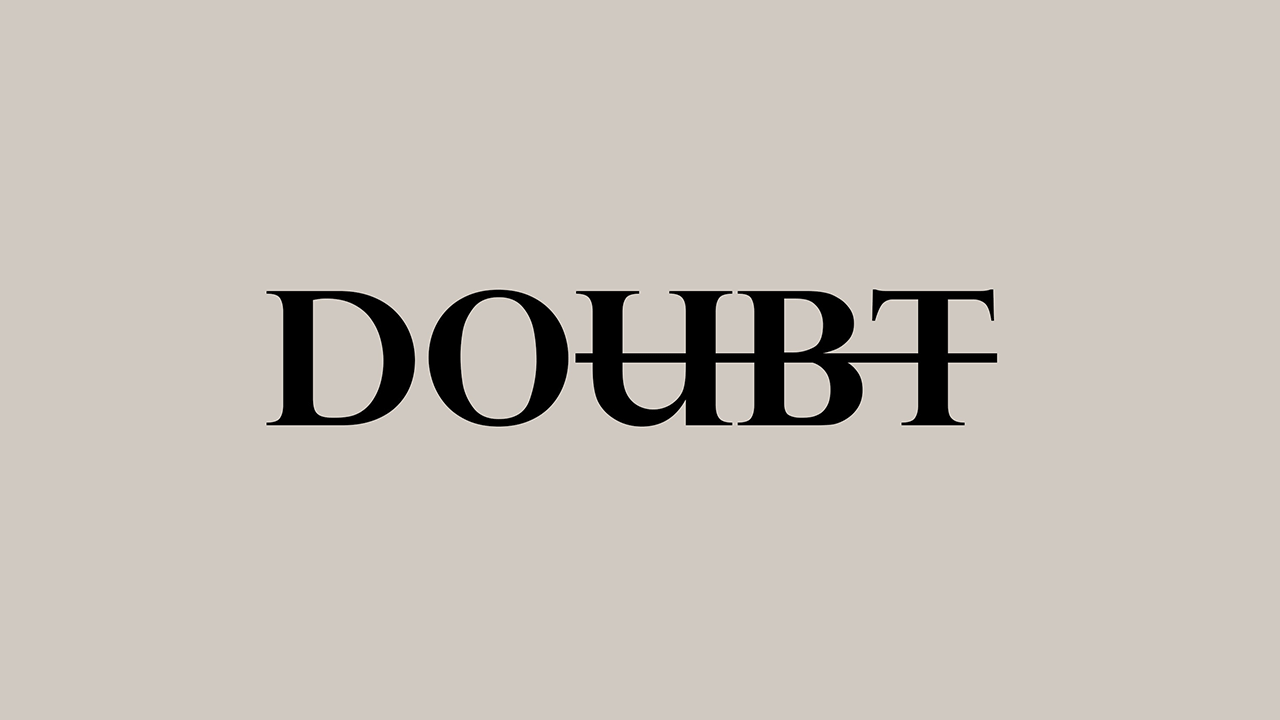
Read those four words and name the company. You can't. Neither can your buyer, because every competitor on the tender list uses the same words. Adjectives are free, and buyers know it. Proof costs something, and that's why it works.
This week one of the world's most famous engineering brands reminded us where proof tends to hide.
What McLaren just did
On 22 September 2026, McLaren revealed an evolved identity across McLaren Automotive and McLaren Racing. The Speedmark stays. Papaya stays. But the new wordmark is where it gets interesting.
It's inspired by the sign above Bruce McLaren's parents' service station in Remuera, Auckland. That's where Bruce built his first racing car, back in the 1950s. The expanded colour palette is drawn from pivotal moments in the company's history too.
Think about that for a second. A company about to spend £500 million expanding its UK manufacturing and engineering footprint didn't reach for something invented. It went back to a real sign, on a real building, where a real person started doing the work. Its Chief Creative Officer, David Woodhouse, framed it as giving "physical expression to ambition".
That's the lesson. The most convincing story McLaren owns wasn't written by a copywriter. It was already there.
JCB has been doing this for 80 years
Now look closer to the factory floor.
JCB was founded on 23 October 1945 in a lock-up garage in Uttoxeter measuring roughly 12 by 15 feet. Joseph Cyril Bamford bought a second-hand welding set for £1 and built his first product, a tipping trailer. The steel came from wartime air raid shelters. He sold it at a local market for £45, plus a part-exchanged farm cart, and immediately built another.
That trailer still stands in the showroom of JCB's World HQ. For the 50th anniversary, JCB built a replica of the original garage. In 2013 it opened the Story of JCB museum. And for its 80th, it's telling the same story again.
Why keep repeating it? Because it does a job that no brochure can. A £1 welding set and a trailer made from scrap says resourceful, practical and built to last, without saying any of those words. The buyer draws the conclusion themselves. And a conclusion someone reaches on their own is one they actually believe.
Why this matters more for industrial businesses
If you run an engineering, manufacturing or logistics business, you are probably sitting on stories like these. The problem is you've stopped seeing them.
True stories are the raw material of good industrial branding.
The first machine you bought on a loan you weren't sure you'd repay. The job nobody else would quote. The fix your team engineered at 2am to keep a customer's line running. The tolerance you hit that the drawing said was impossible.
To you, that's just Tuesday. To a buyer comparing three suppliers who all claim "precision", it's the only thing that separates you. Specific beats generic every time.
How to find your drawer story
You don't need a museum. You need a system for spotting proof. Start here.
1. Walk the building. Look for objects with history. The original press in the corner. A framed first invoice. A part you made for a job you're proud of. McLaren's story lived on a sign. JCB's lives in a trailer. Yours is probably bolted to the floor.
2. Interview your longest-serving people. Ask them one question: "What's the job we still talk about?" The answers are almost always more specific and more human than anything on your website.
3. Find the numbers. £1. £45. 12 by 15 feet. Numbers make a story feel real and make it easy to repeat. How many years, parts, tonnes, sites, hours of uptime?
4. Connect it to what buyers need now. This is the step most businesses skip, and it's the step that matters. McLaren tied its garage to future ambition. JCB tied its scrap trailer to resourcefulness. Your story has to answer the buyer's real question, which is usually: "Will these people solve my problem when it goes wrong?"
5. Put it where decisions get made. A great story buried on an About page does nothing. Use it in tender responses, on your trade show stand, in your capability statement, in the first thirty seconds of a sales call, and in your recruitment ads. Consistency turns a story into a reputation.
Strategy first, then the story
One warning. A story isn't a brand strategy. It's evidence for one. McLaren's garage works because it supports a clear position. JCB's trailer works because it proves a clear promise. If you don't know what you stand for and who you're for, even the best story just becomes a nice anecdote.
So start with the question underneath: what do we want the right buyer to believe about us? Then go find the proof you already own.
Your next step
Not sure whether your brand is telling your real story, or just repeating the same four adjectives as everyone else? Take nim's free 2-minute Industrial Brand Health Check. It scores where your brand is costing you work and shows you what to fix first. Two minutes. No sales pitch. Just a clear read on where you stand.
If you are considering brand or marketing services, view our products and pricing here.
Case studies