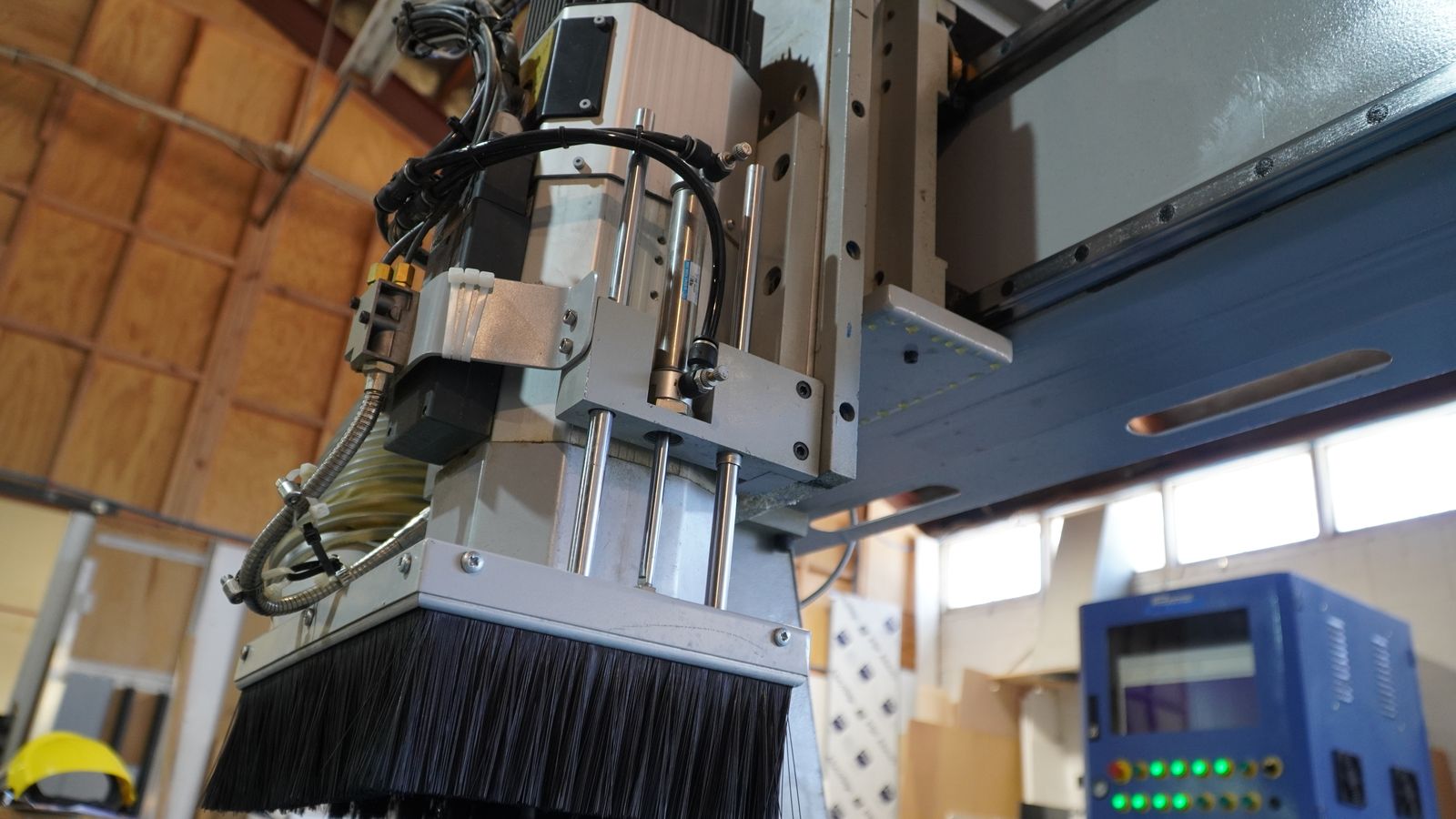
Apple had every digital tool on earth. It still went physical.
On 21 October 2026, Apple Music revealed a new identity built around one idea: made by sound. Working with TBWA\Media Arts Lab, producer Fred again.. and sound designers Nest Acoustics, Apple played music through a transducer sitting in a shallow tray of mineral oil, then filmed the ripples. That footage shaped the identity. Apple says the whole process was captured entirely in camera, and it released a behind-the-scenes film to prove it.
That last part matters. A trillion-dollar company could have rendered those ripples in an afternoon. Instead it showed its working. Why?
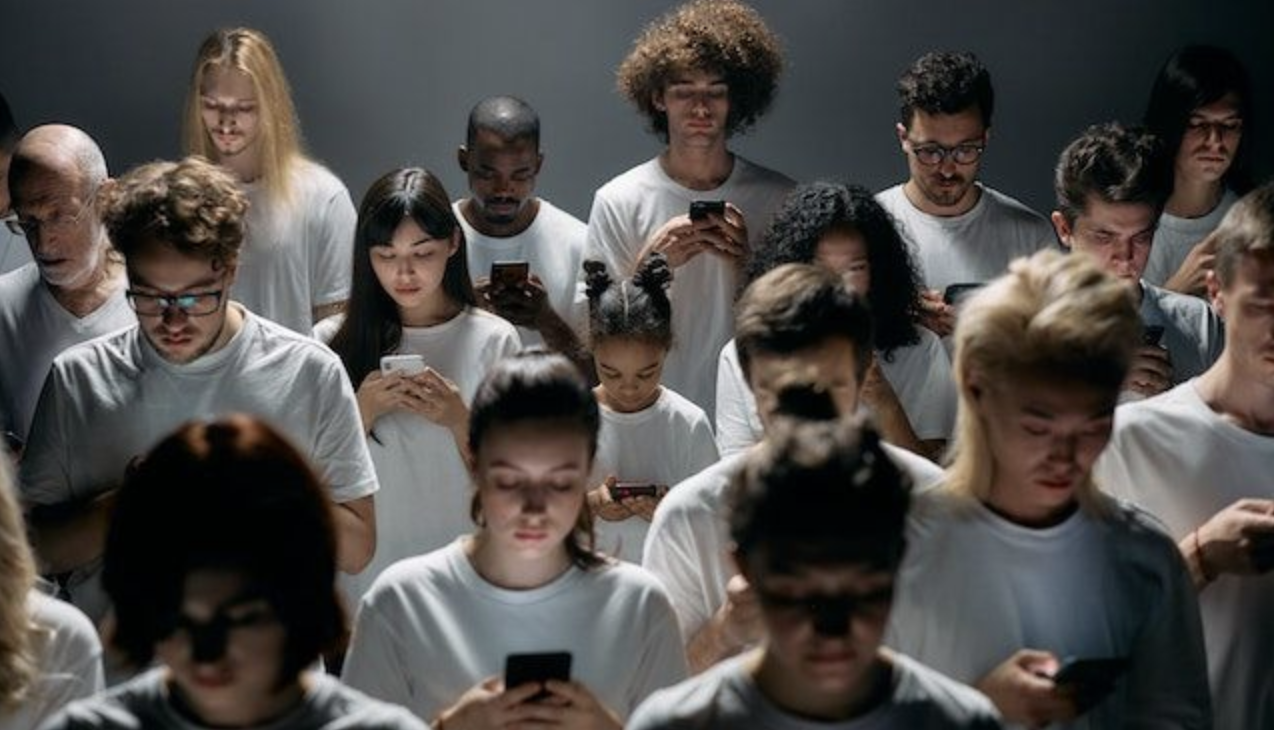
Buyers are getting tired of synthetic
Because the market is getting tired of fake. Over the past year, AI-generated campaigns from fashion houses like Valentino and Gucci drew comments calling them "cheap" and "lazy". Meanwhile Heineken, Polaroid and Cadbury started promoting their work as human-made, as a selling point.
The research explains why. Studies pulled together in The Conversation show that people value objects more when they believe those objects carry traces of a real person's intention. Images labelled as machine-made get rated less favourably, even when they look identical to the real thing.
Read that again. Same image. Lower value. All because of how it was made.
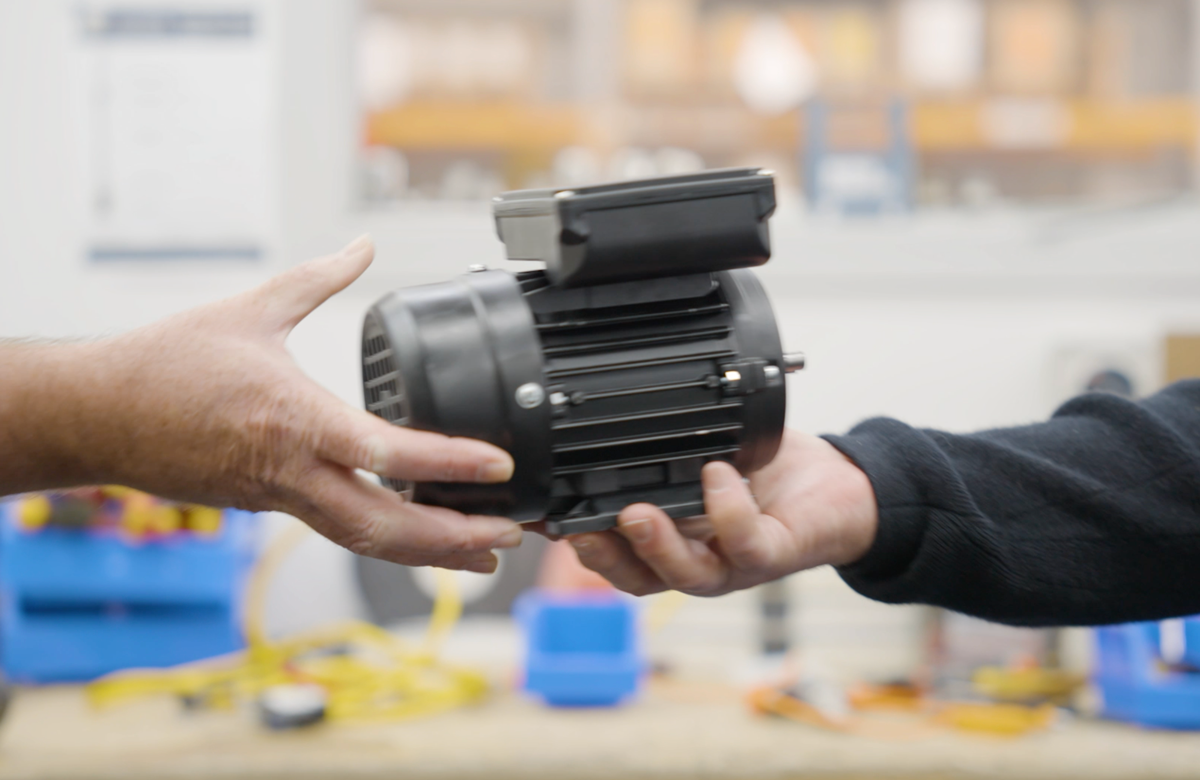
Now think about your own website. The hero image is a stock photo of a glowing digital network. The "About" page shows a handshake that didn't happen in your building. The case study image was generated last Tuesday. You make real things with real precision, and your brand is built from pictures of things that don't exist.
Industrial brands already own the proof
Here's the good news. Apple had to invent a physical process to make its brand feel real. You already have one. It runs two shifts a day.
Two industrial brands worked this out years ago.
Volvo Trucks made a series of 'Live Test' films with agency Forsman & Bodenfors. The sixth, 'The Epic Split' in 2013, put Jean-Claude Van Damme between two reversing trucks, balanced on their mirrors. The point wasn't the celebrity. The point was the steering precision. Volvo said the stunt was real and only safety equipment was removed digitally. The Live Test series has passed 100 million views, mostly thanks to that one film. It's a truck company. The buyers are fleet managers. It worked because it was true.
Caterpillar did the same with its 2014 'Built For It Trials'. In the first film, five operators with 121 years of combined experience played Jenga with blocks weighing about 600 pounds each, using Cat machines. It took around 28 hours to play and was cut down to two and a half minutes. No rendering. No claims about "unmatched precision". Just the precision, on camera, with a block that could crush a car.
Both brands understood something most industrial businesses miss. In a sector built on tolerances, specs and certificates, proof beats adjectives every time. And nothing reads as proof like the real thing, filmed honestly.
Five ways to make your brand from what you actually make
You don't need a Hollywood stunt. You need to stop hiding your best material.
1. Ban the generic hero image. If a photo could sit on a competitor's website without anyone noticing, it isn't doing a job. Replace it with your floor, your machines, your material mid-process. Sparks, swarf, steam, sealed cleanrooms. Texture sells.
2. Turn your process into a signature. Apple turned sound into a logo. What does your process produce that nobody else's does? The pattern of a weld bead. The sound of your press line. The cross-section of a part. These can become brand assets, not just background.
3. Demonstrate one claim on camera. Pick the thing you say in every tender. "Tight tolerances." "Fast turnaround." "Built to last." Then design one simple, honest demonstration that proves it. Volvo didn't say its steering was precise. It showed you.
4. Name your people. Caterpillar told us the operators had 121 years of experience between them. That detail carries more trust than any stock photo of a smiling engineer. Put real names and real years of service next to real faces.
5. Show the making of the brand itself. Apple released a film of how its logo was made. When you shoot your own site, keep the behind-the-scenes footage. It's content that proves you're real before a buyer ever visits.
Use AI in the office, not as your proof
This isn't a war on AI. Use it to draft, sort and speed things up. Just don't let it fake the proof. The moment a buyer suspects your factory image was generated, they start wondering what else was.
Your competitors are reaching for the same synthetic images you are. That's the opening. The industrial business that shows its real work, honestly and boldly, will look like the most credible name on the shortlist. Usually because it is.
Find out where your brand is costing you
Not sure if your brand shows how good you really are? Take nim's free 2-minute Industrial Brand Health Check. It scores where your brand is costing you work and tells you what to fix first. Two minutes. No hard sell. Just a clear view of the gap between how good you are and how good you look.
Case studies