Most industrial businesses are sitting on a superpower they treat like a stain on the carpet. Age.
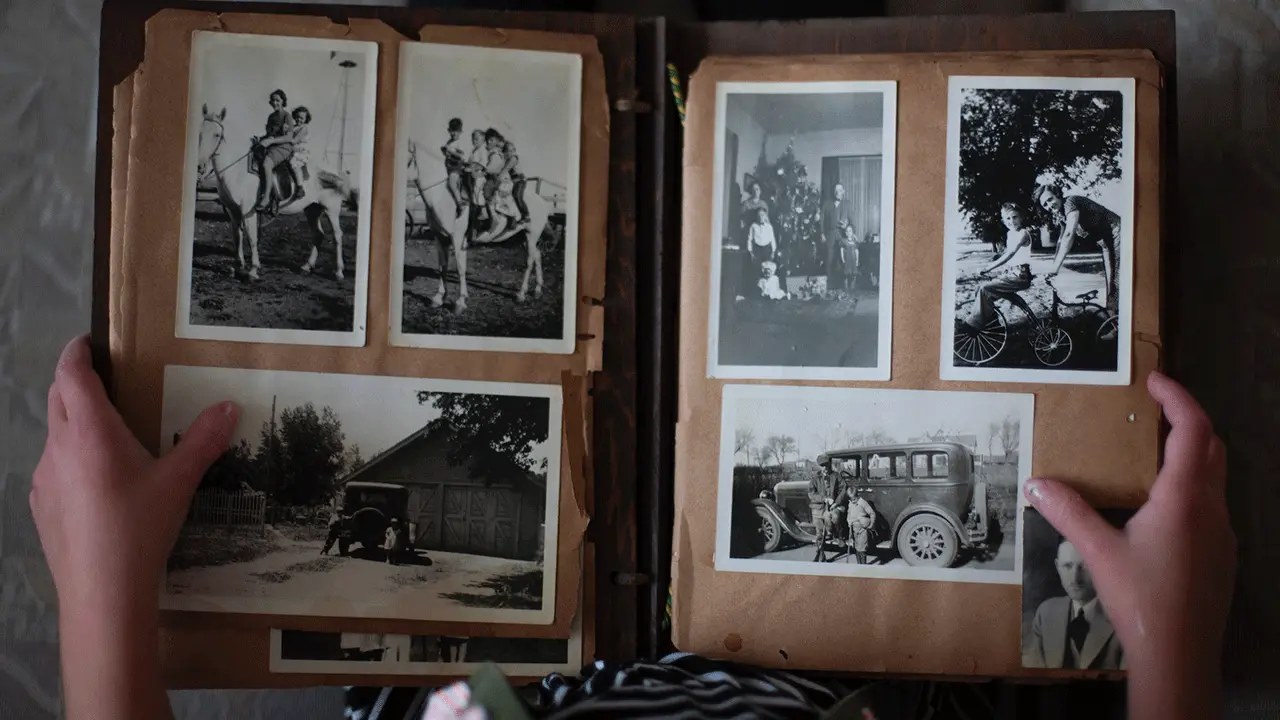
Founded in 1958. Family owned since 1972. Same road, same reputation, forty years running. And then they build a brand that hides every bit of it, because somewhere along the way they decided that old reads as dated. That is a costly mistake. Handled properly, your history is the most valuable asset you own that never shows up on the balance sheet.
Old does not mean dated
Remember what an industrial buyer is actually buying. When someone signs your tender or hands you a supply contract, they are betting their own name on you delivering. On time. To spec. Again next quarter. In that room, a hundred years of showing up is not nostalgia. It is proof. It is the loudest risk-reduction claim you can make.
The problem was never your age. The problem is a brand that looks like it stopped paying attention in 1994. Those are two very different things, and confusing them is how good companies end up looking smaller than they are.
What Chicago Rivet just did
On 10 July 2026, Chicago Rivet & Machine Co rebranded. Founded in 1920. They make rivets, fasteners and rivet-setting machines. About as heritage-industrial as a business gets.
Here is the smart part. They did not change their name. A hundred and five years of "Chicago Rivet" is equity you cannot buy at any price, and they knew it. What they changed was the frame. New logo, new identity, new tagline: "Join with US." They moved the story from "we make pieces and parts" to "we are joining-system experts who solve the whole problem." Same factory. Same rivets. Sharper story.
CEO Greg Rizzo put it plainly. The new look signals who the company is today and where it is going, not a fresh coat of paint. That is the whole move in one sentence. Keep the trust, upgrade the positioning.
John Deere: evolution, not amnesia
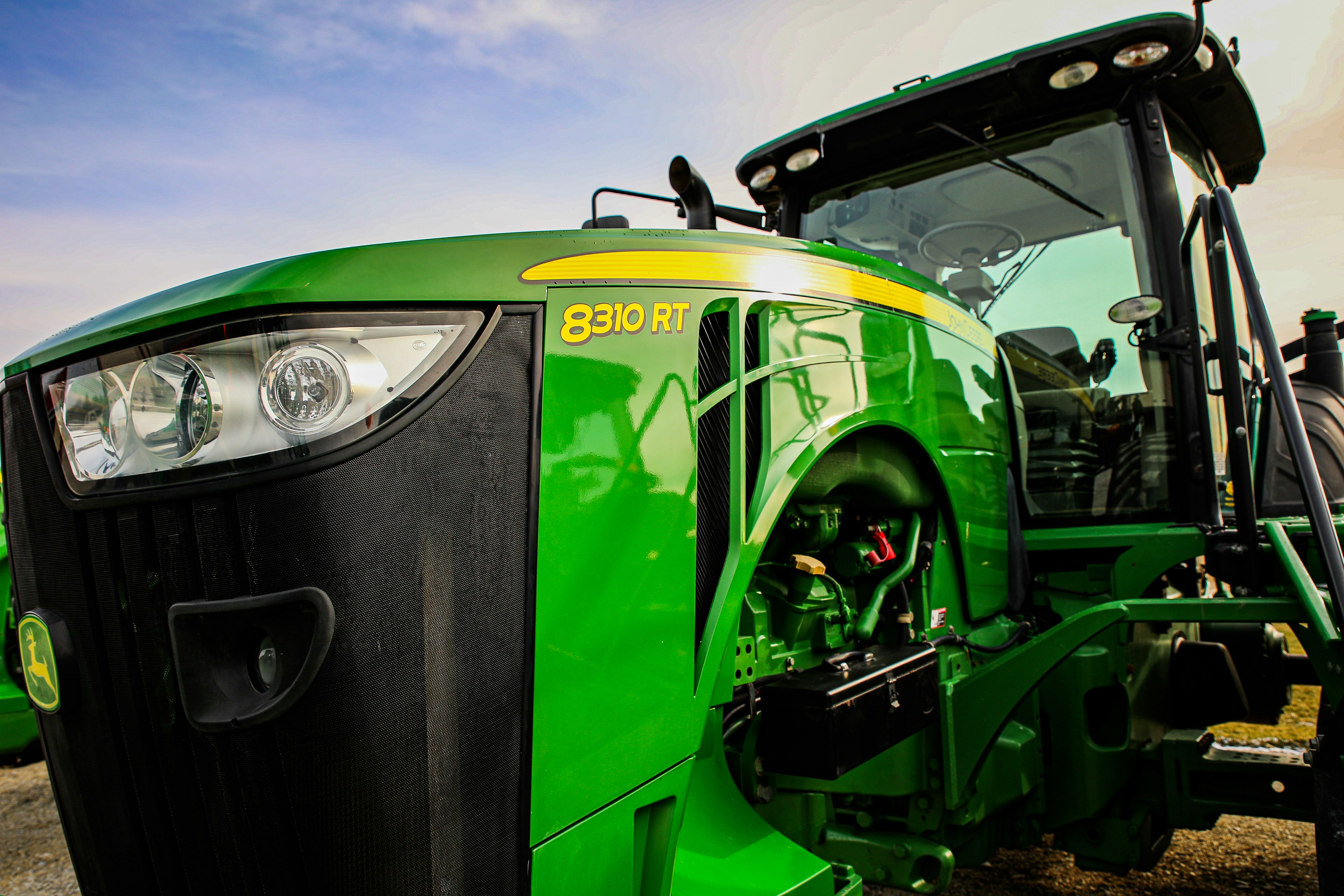
John Deere has been drawing a leaping deer since 1876. The first one was a fussy little animal hopping over a log. Over the decades, Deere never scrapped the deer. They just got it fitter. By 2000 the leap was steeper and more athletic, the lines tighter, the green and yellow brighter for more energy and motion. Same symbol. More muscle.
Today Deere runs TikTok creators and MLB activations off the back of that same heritage, and it works because the heritage is real. They did not erase 150 years to look current. They compounded it. Every update was a refinement of one idea, never a divorce from it.
Good industrial branding keeps the trust you have built and makes it look current.
The two ways this goes wrong
Industrial brands fumble heritage in exactly two ways.
One, they freeze. They keep the 1980s logo and the clip-art website because changing anything feels risky, and they slowly look less capable than they truly are. The equity is there, just buried where nobody can use it.
Two, they panic. They tell an agency to "make us modern," bin the name, the colour and the founder's story, and re-emerge as a generic blue swoosh that could belong to anyone. The equity is not buried now. It is deleted.
Both burn money. One hides the asset. The other throws it in the skip.
How to modernise without erasing yourself
- Audit your equity first. What do customers actually recognise? The name, a colour, a symbol, a phrase, a founder. Those parts are load-bearing. Do not touch them without a hard reason.
- Change the frame, not the facts. Chicago Rivet never stopped making rivets. They changed what those rivets mean to a buyer. Your positioning can travel a mile while your product stays exactly where it is.
- Refine the mark, do not replace it. If the logo works, tighten it, the way Deere did. A confident nip and tuck beats a stranger every time.
- Put your years to work. "Since 1974" is not a sentimental footnote. It is a claim your younger, shinier competitors physically cannot make. Say it out loud.
Schweppes did the same thing this year, leaning back into a fountain symbol first drawn in 1851 rather than running from it. The pattern holds across industries. The strongest heritage brands do not choose between old and modern. They make old the reason to trust them and modern the reason to look twice.
The bottom line
Your history is not the thing making you look small. A brand that under-sells that history is. The businesses winning right now are rarely the youngest in the room. They are the ones who took decades of hard-won trust and finally built a brand that matches it.
If your business is better than your brand makes it look, and your history deserves a sharper frame, book a free 15-minute discovery call at https://www.nimcreative.com. We will show you what to keep, what to change, and how to make your years pull their weight.
If you are considering brand or marketing services, view our products and pricing here.
Case studies