Five Logos, One Company: Why 2026's Smartest Industrial Firms Are Retiring Their Brand Names
September 18, 2026
You've bought a few companies. Or grown a few divisions. Each one has its own name, logo, website and email domain. On paper you're a serious operation. To a buyer, you look like four small ones.
A wave of industrial firms spent 2026 fixing exactly that problem. How they did it holds a lesson for any business that has grown faster than its brand.
The 2026 consolidation wave
Look at who moved this year.
In March, Loenbro folded Switch Electric, Revolution Industrial, Stewart Electric and Weifield Group Electrical Contracting into a single name: One Loenbro. The services and the people stayed the same. What changed was one name, one identity and one email domain.
In May, Exosens announced that products sold under Photonis, Xenics, El-Mul, Telops, Noxant, Phasics and Emberion would gradually move under the Exosens brand. Seven names became one signal. The company said the reason was market clarity and international visibility.
In June, automation integrator Acieta brought five previously separate business units under one brand, and GameChange Energy merged GameChange Solar and GameChange BOS into a single name. In July, three Western Pennsylvania industrial suppliers came together as PrecisionOne Supply Solutions.
Different sectors. Same diagnosis.
Why a portfolio of names makes you look smaller
Acieta's Director of Marketing, Olivia Patterson, put it plainly: "While our business has transformed dramatically over the past two years, our brand did not keep pace."
That sentence describes a lot of industrial businesses. The capability grew, and the brand stayed the size of the original company.
Now look at it from the buyer's side. A procurement team is building a shortlist for a multi-site job. They find three of your logos on three separate websites. They don't see a group with scale. They see three small vendors, and they're left to work out whether you're connected. Most won't bother.
GameChange's CEO, Phillip Vynahek, said the biggest challenge customers raised was coordinating multiple vendors. Think about that. In some cases they were already buying from one company and couldn't tell.
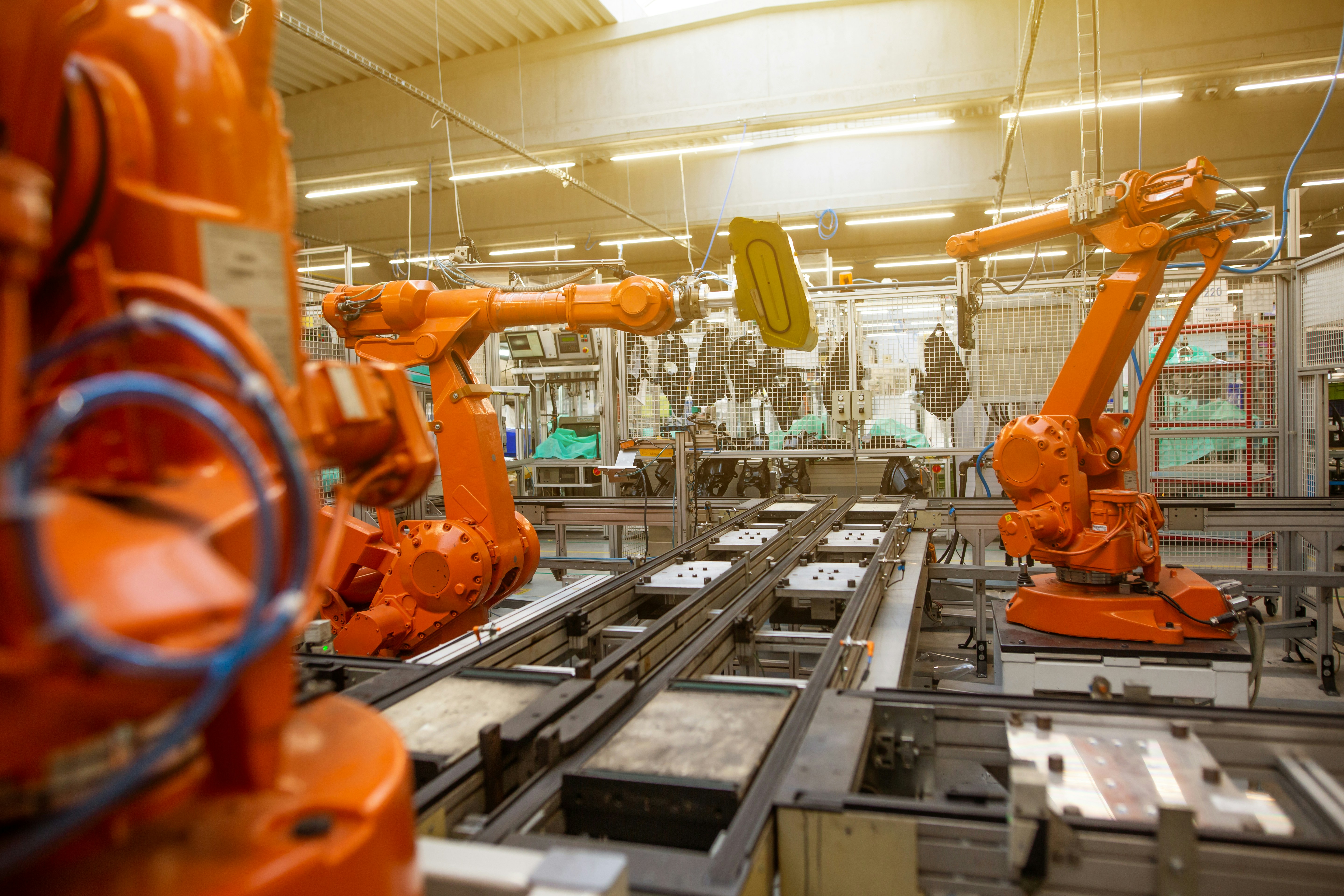
It's a factory with five loading docks and no sign on the gate. The capacity is there, but nobody can find the way in.
The lesson: brand the business you actually run
The most useful quote of the year came from Southland Industries. In January it finished folding The Brandt Companies, acquired in 2022, into the Southland name. CEO Ted Lynch said: "This isn't a rebrand. It's a true integration and a natural conclusion of how we already operate."
Brand architecture is the quiet side of industrial branding, and often the part with the biggest payoff.
That's the order that works. Operations first. Brand second. Southland didn't change the name to create unity. The teams already worked as one with shared functions, and the brand was the last thing still telling the old story.
Get the order wrong and you end up with a shiny new logo on top of a customer experience that still feels like four companies. Buyers notice.
Three questions before you touch a name
Not every business should squash everything into one brand. Some acquired names carry real weight in their niche. Here's how to think it through.
1. Does the customer buy from you as one company or several? If the same buyer uses more than one of your businesses, separate names make them work harder. That's GameChange's story.
2. Is the acquired name load-bearing? If a subsidiary's name is what wins the tender, don't bin it overnight. PrecisionOne is keeping its individual company names, with a tagline showing they're part of the group. Exosens is making the move gradually instead of flipping a switch.
3. Is the business actually integrated? If a customer calls one division and gets passed to another running different systems, fix that first. The brand promises one partner, so the operation has to deliver one.
What to do this quarter
List every name, logo, website and email domain your business uses and put them side by side. Then look at them the way a buyer would, with no org chart and no history.
Do you look like one capable company or a collection of smaller ones? Does every name earn its place? Can an outsider see your biggest capability, the thing you spent years building?
If the answer makes you wince, you're in good company. Loenbro, Acieta and Exosens all had to answer the same questions this year.
Find out where your brand is costing you work
Not sure whether your brand matches the size and capability of the business you run today? Start with a diagnosis. nim's free Industrial Brand Health Check takes two minutes. It scores where your brand is costing you work and shows you what to fix first.
Take the free Brand Health Check
Strategy first. Then design. Always.
If you are considering brand or marketing services, view our products and pricing here.
Case studies