The study that should worry every industrial brand
A new 2026 audit called The State of B2B Brand Distinctiveness scored 100 B2B companies against eight assets that make a brand recognisable. Colour, logo, visual device, typography, tagline, human identity, product motif, and sound.
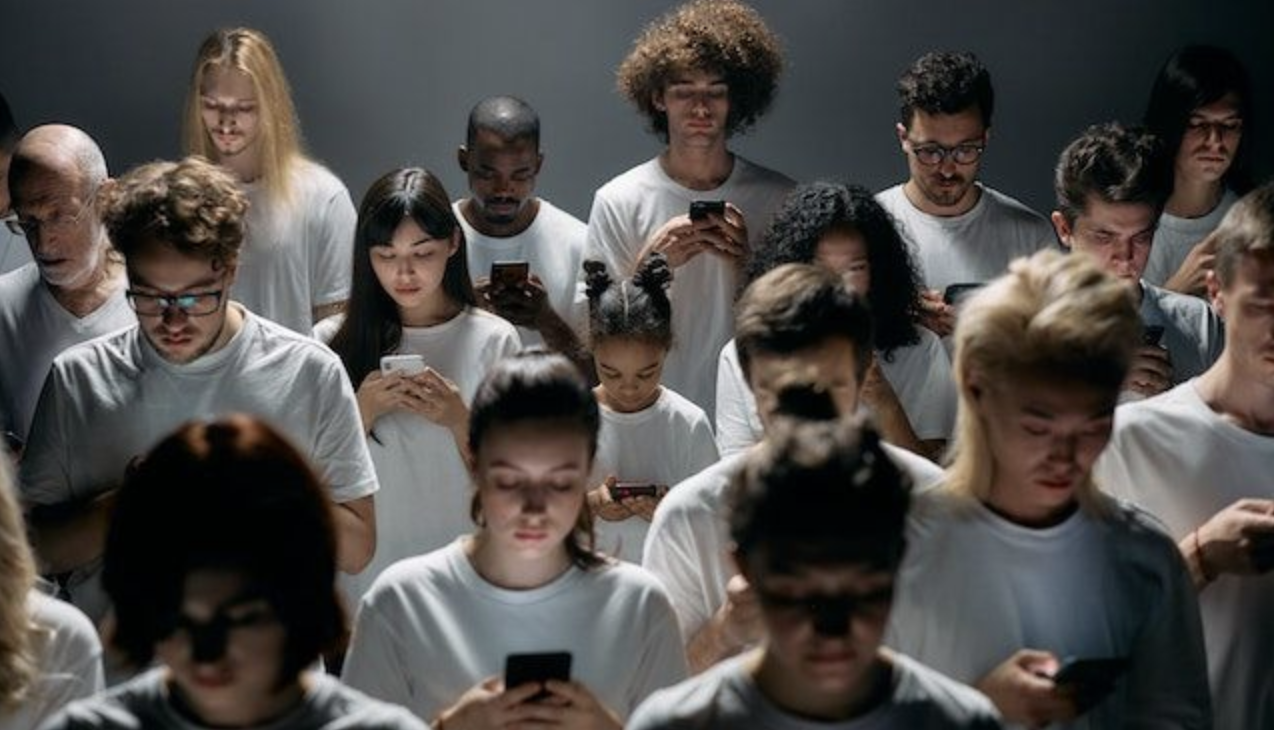
The result was brutal. Just one company out of a hundred scored as genuinely ownable. Eighty percent landed in the generic or invisible bands. That means eight in ten brands are effectively wallpaper.
Here is the part that stings. The assets these companies spent the most on were the assets that worked the least. Everyone poured budget into colour and typography. So colour and typography cancelled out. When every firm in your category reaches for the same confident blue and the same clean sans-serif, none of it makes you memorable. It just makes you match.
Sound tells the same story. Ninety-one of the hundred companies scored a flat zero on sound. Only 14 percent had a recognisable human, character, or recurring face. The assets that build recognition fastest are sitting almost completely empty.
Read that again. The easiest way to stand out is the thing almost nobody is doing.
Why industrial brands are the worst offenders
Walk any trade show floor or read any tender shortlist. The engineering firm has a blue logo with a swoosh. The distributor has a blue logo with a swoosh. The fabricator has a slightly darker blue logo with a slightly different swoosh.
You are precise on the factory floor to a thousandth of a millimetre. Then your brand blends into a beige wall of competitors who all made the same three safe choices. Safe is not the same as strong. Safe is how you disappear.
The good news from the 2026 data is that the shelf is basically empty. The distinctive assets are unclaimed. You do not need a bigger budget than the firm next door. You need to be braver about what you own.
Owning something distinctive is where industrial branding pays for itself, because every job you do builds memory instead of blending in.
The brands that got it right
Look at the industrial giants who nailed this decades ago.
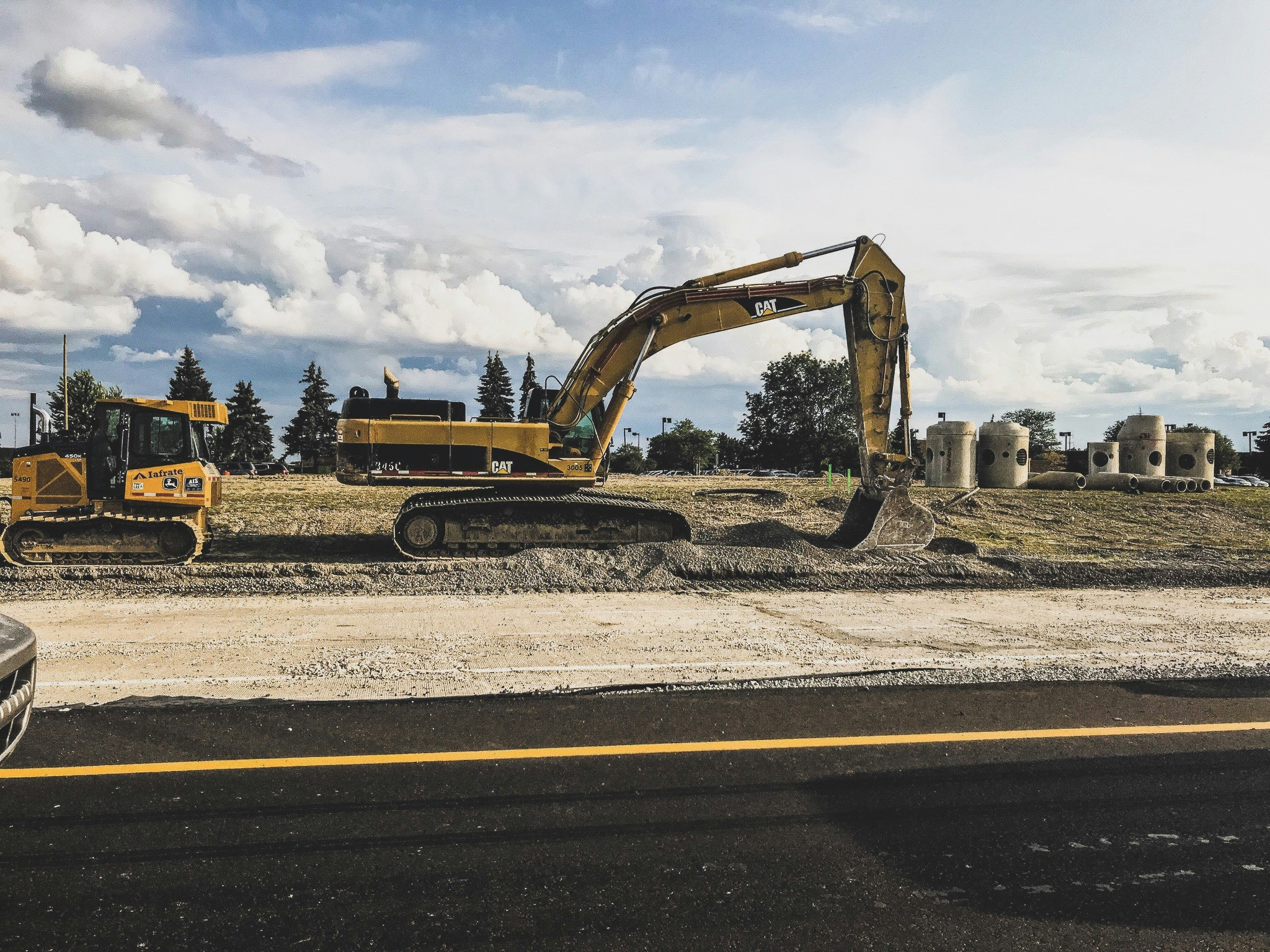
Caterpillar owns a colour. Caterpillar Yellow is so specific it is a trademarked livery. You can see a machine from half a mile away, before you can read a single letter, and you already know who built it. They did not pick a colour everyone else had. They committed to one and defended it for generations.
John Deere owns three assets at once. The green and yellow. The leaping deer. And a tagline you can finish yourself: nothing runs like a Deere. That is a brand you could recognise from the silhouette of a tractor in a field at dusk. Deere consistently ranks top for recall among machinery brands, and it is not an accident.
Or look at Michelin, a tyre company that has spent over a century investing in the exact asset the 2026 study says nobody uses. A human character. Bibendum, the Michelin Man, was born in 1898 and is still one of the most recognised figures in industry. A tyre firm understood something most engineering firms still miss. People remember characters. They do not remember swooshes.
And it is not just the old guard. The single ownable brand in the 2026 study, a cloud security firm called Wiz, won by using cartoon characters and a consistent visual system. The runner up, Mutiny, built a whole identity around a raccoon leading a rebellion. B2B. Serious money. A raccoon. It worked because a competitor cannot comfortably copy it.
What to actually do on Monday
Start by naming the assets you already half own and commit to them fully. Pick one colour and use it everywhere, not five colours used nowhere. Write one tagline your customers could repeat and put it on every quote, every truck, every hard hat.
Then claim one asset your competitors have left empty. A recurring character. A founder who shows their face. A sound that plays at the start of every factory walkthrough video. The 2026 research is clear that the boldest choice, the one that feels slightly too weird before it works, is the one a rival cannot copy.
Distinctive feels risky. That is the whole point. If it felt safe, everyone would already have done it, and it would not work.
If you are great at what you do but you look like every other firm on the tender list, that is a fixable problem. Book a free 15-minute discovery call at https://www.nimcreative.com and let's find the asset only you can own.
If you are considering brand or marketing services, view our products and pricing here.
Case studies