Brand Is Back in B2B. Your Board Will Still Say No. Here's How to Win the Argument.
October 17, 2026
Brand is back. That was the message at the Festival of Marketing in London on 14 October, where Brian Macreadie, head of marketing at law firm Addleshaw Goddard, said "everyone's talking" about brand in B2B again. The numbers agree with him. In Marketing Week's 2026 State of Brand in B2B research, 58% of the 300 marketers surveyed said they had increased their focus on brand building over the past year.
Now the catch. 44.9% said getting brand investment signed off is difficult or very difficult. In large businesses that figure rises to 55.5%. Macreadie described "mass pushback" from boards who call brand expensive, risky, or a distraction from this quarter's numbers.
If you run an industrial business, you know this conversation. You might be having it with yourself. So let's talk about how to win it.
Start with the gap, not the logo
Macreadie's most persuasive move wasn't a mood board. It was a number. He told his board that 43 of the firm's top 50 target clients had never heard of it. His words: that kind of finding changes the conversation quickly.
Look at what he did. He didn't argue about whether brand matters in theory. He measured awareness, consideration and why prospects were choosing rivals, then put the gap in front of the people holding the budget. Boards always want to know why buyers don't choose them. Give them the answer.
For industrial firms this matters even more, because the decision happens before you're in the room. 6sense's 2025 B2B Buyer Experience Report, which surveyed nearly 4,000 buyers, found the winning vendor is already on the day-one shortlist 95% of the time, and the buyer's favourite before first contact wins about 80% of the time. Put simply, the tender is often won before it's issued. If the people writing the shortlist have never heard of you, your quote quality is irrelevant. You aren't in the race.
Agree the scoreboard before the match
The second lesson is about measurement. Macreadie works back from business goals and agrees with the board in advance what will be measured and over what timeframe. He asks them to judge results, not tactics. More prospects moving through the pipeline. Better event turnout. More senior buyers returning calls.
He is also honest about timing. He warned his business that brand results can take two years to show, and that displacing an incumbent supplier can take up to seven. He still gets asked what's been delivered every quarter.
You already understand this logic. Nobody commissions a new production line and judges it on day one output. You set the commissioning period, agree the targets, then hold it to them. Brand deserves the same discipline. Pick three measures before you spend anything: invitations to tender, enquiries from target accounts, win rate on qualified bids. Then give it the time a capital investment needs.
Treating brand like any other capital investment is how industrial branding gets funded.
Different beats bigger
The third lesson is the one most industrial firms skip. You can't stand out if you look like everyone else. Macreadie shows his lawyers Levi's 1982 billboard of a single black sheep walking against a flock of white ones. In the State of Brand research, 88% of marketers ranked strong positioning and differentiation as the top element of effective brand building, with emotional storytelling close behind at 85.8%.
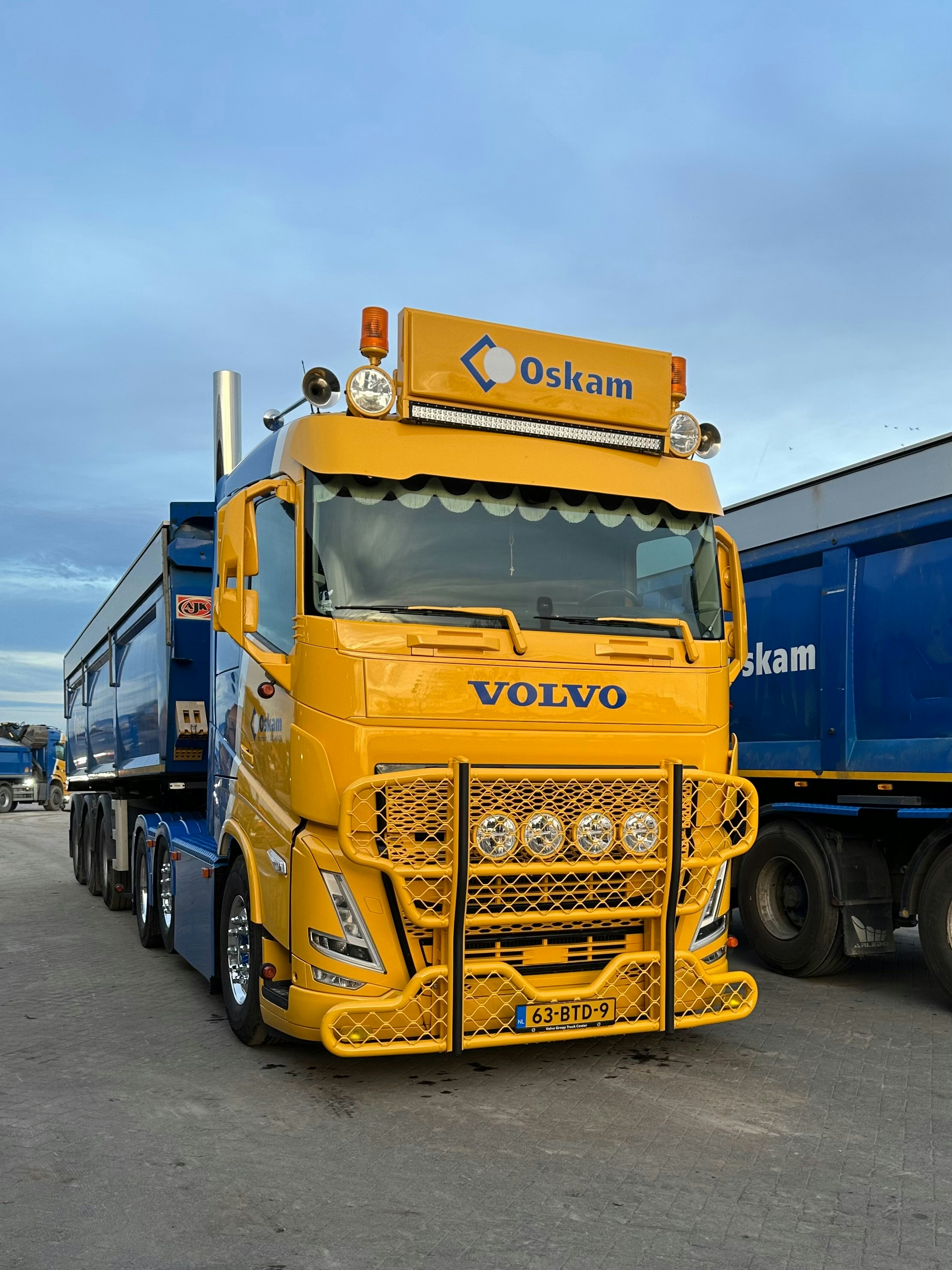
Volvo Trucks is the industrial proof. In 2013 it filmed Jean-Claude Van Damme doing the splits between two reversing trucks, one of six films showing off Volvo Dynamic Steering on its FMX, FM, FL and FE range. It was watched more than 60 million times, became the most-watched automotive commercial on YouTube, and Volvo valued the coverage at nearly $100 million. Its PR director, Per Nilsson, summed up the strategy: "We can't outspend our competitors. Instead, we need to outsmart them."
The stunt was memorable. It was also product proof. The whole film was a demonstration of steering precision. Emotion and evidence in the same frame.
Addleshaw Goddard took the same route in a sector even more conservative than yours. It became the first official legal partner of the RHS Chelsea Flower Show, covered its London Bridge station billboards in flowers and handed bouquets to commuters. It started with small wins, and those wins earned the bigger budgets. Over four years its marketing team and budget have both tripled. Macreadie's line: there are no boring products, only boring brands.
If a law firm can find a story in flowers, a business that machines parts to the micron or moves 10,000 pallets a week has plenty to work with.
Build your case this month
1. Measure the gap. Ask your top 50 target accounts three questions. Have you heard of us? Would you shortlist us? Who would you call first? 2. Put it in money. Count the tenders you weren't invited to and the work that went to rivals you know you outperform. 3. Agree the scoreboard. Three measures and a realistic timeframe, signed off before you spend. 4. Find your one true difference and prove it. Volvo didn't claim great steering. It showed it. 5. Start small, win early. Momentum buys budget.
Your next step
The hardest part of this argument is the first number. Our free 2-minute Industrial Brand Health Check gives you a starting point. It scores where your brand is costing you work and shows you what to fix first, so you walk into the next board conversation with evidence instead of opinions. Take the Brand Health Check.
If you are considering brand or marketing services, view our products and pricing here.
Case studies